CHANEL Batch Code Checker - Check Cosmetic And Perfume Expiry Date
How to Check CHANEL Batch Code?
Select CHANEL Brand
Select CHANEL brand from the dropdown menu.
Enter CHANEL Batch Code
Enter the batch code of CHANEL product.
Get CHANEL Manufacturing Date
Receive the manufacturing date of CHANEL product. The manufacturing date is the date when the product was manufactured.
How to Find the batch code of CHANEL Perfume or Cosmetics?
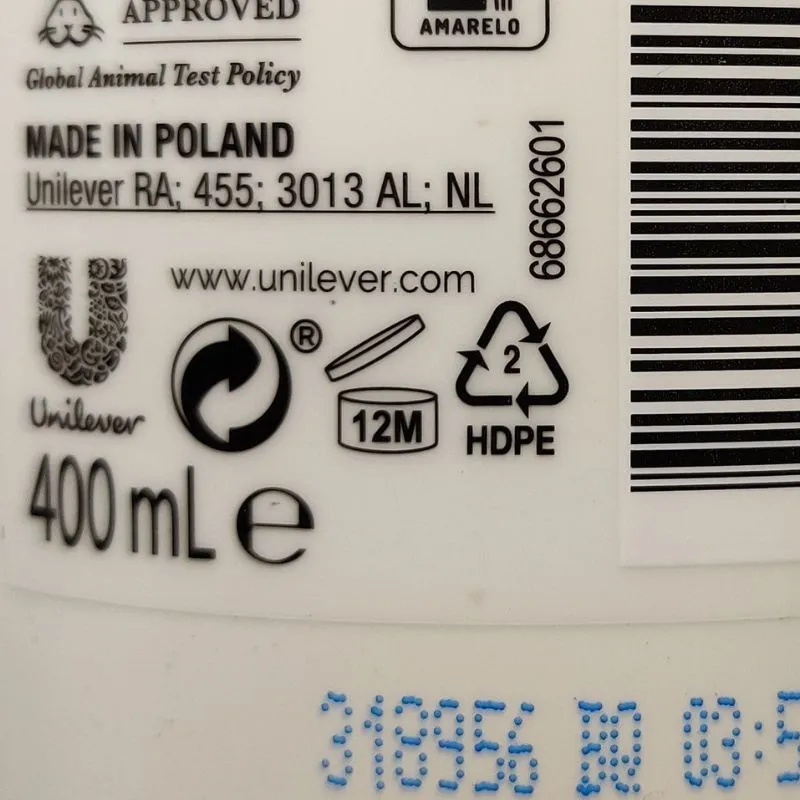
Batch codes are usually printed in the following locations:
The bottom of product packaging: Most cosmetics have batch codes printed on the bottom of boxes or bottles
The product labels: Some products mark them near ingredient labels
The side of bottles: Especially perfumes and skincare products
The end of tube products: Such as lipsticks, foundation liquids, etc.
The side of outer packaging: Sometimes near barcodes
About CHANEL Brand
Chanel is an iconic French luxury brand that has redefined global fashion and female elegance for over a century. Founded in 1910 by Gabrielle Bonheur Coco Chanel, the brand has evolved from a small Parisian millinery shop into a global luxury empire, symbolizing timeless sophistication, innovation, and female empowerment.
Coco Chanel’s life story shaped the brand’s core ethos. Born in 1883 in Saumur, France, she spent her early years in an orphanage, where she learned sewing—a skill that laid the foundation for her future career. After working as a café singer, she adopted the nickname Coco and ventured into fashion. In 1910, she opened her first shop, Chanel Modes, at 21 Rue Cambon in Paris, selling stylish hats that quickly gained popularity among Parisian elites. This marked the beginning of her revolution against the restrictive, corseted fashion of the early 20th century.
Chanel’s revolutionary designs transformed women’s fashion by prioritizing comfort, simplicity, and freedom of movement. In 1926, she introduced the little black dress (LBD), a minimalist, versatile piece that replaced elaborate, colorful gowns. Vogue described it as the Ford of Chanel, emphasizing its accessibility and timelessness. She also popularized tweed suits, borrowing elements from men’s fashion to create structured yet comfortable outfits that became a symbol of modern femininity. Other iconic creations include the quilted 2.55 handbag with chain straps (1955) and two-tone slingback shoes, both of which remain wardrobe staples today.
No discussion of Chanel is complete without Chanel No. 5, launched in 1921. Created by perfumer Ernest Beaux, it was the first perfume by a fashion designer, featuring a unique floral-aldehyde scent and a minimalist bottle. It remains the world’s best-selling perfume, a cultural icon that transcends generations. Later expansions into beauty (1924) and skincare (1927) solidified Chanel’s presence in the luxury beauty industry.
In 1932, Chanel debuted her first and only high jewelry collection, Bijoux de Diamants, breaking barriers as the first couturier to present a standalone jewelry exhibition. Today, the brand’s watches and fine jewelry division continues to blend exquisite craftsmanship with timeless designs, often featuring the interlocking C logo, camellia motifs, and pearls—signature symbols of the brand.
After Coco Chanel’s death in 1971, Karl Lagerfeld took over as creative director in 1983, reviving the brand while honoring its heritage. He modernized classic designs, expanded ready-to-wear lines, and staged legendary fashion shows. Following Lagerfeld’s passing in 2019, Virginie Viard succeeded him, maintaining Chanel’s balance of tradition and contemporary flair.
Privately owned and independent, Chanel operates with a long-term vision, prioritizing creativity and craftsmanship over mass production. Its product lines encompass haute couture, ready-to-wear, accessories, fragrances, beauty, watches, and fine jewelry, all unified by the brand’s core values: simplicity, elegance, and empowerment.
website:https://www.chanel.com/